The business question
Where should weekly optimisation attention go?
Buyer acquisition activity needs a practical read of efficiency, not a platform number in isolation. The task was to make matched-period performance movements visible, support approved campaign actions, and surface where the media signal needed a booking-data check before a decision was made.
The work
Turn campaign movement into a focused review agenda.
I analysed 29 buyer-acquisition campaigns across matched reporting periods, documenting a 14% Meta CTR increase alongside a 7% CPC reduction. In Google, I diagnosed a 60% CPC rise across the AED1.25M portfolio so that weekly buyer-media reviews could focus on the efficiency question rather than spend alone.
CTR up, CPC down
Compare matched periods instead of relying on a single-day movement.
What changed in cost?
Use the 60% Google CPC rise to prioritise bidding and budget conversations.
Does spend reconcile?
Connect platform spend with booking data before treating the signal as business truth.
Evidence snapshots
The signals behind the weekly review.
These anonymised visuals rebuild selected, resume-level findings from approved reporting. They show the decision signal, not a raw platform dashboard or confidential campaign export.
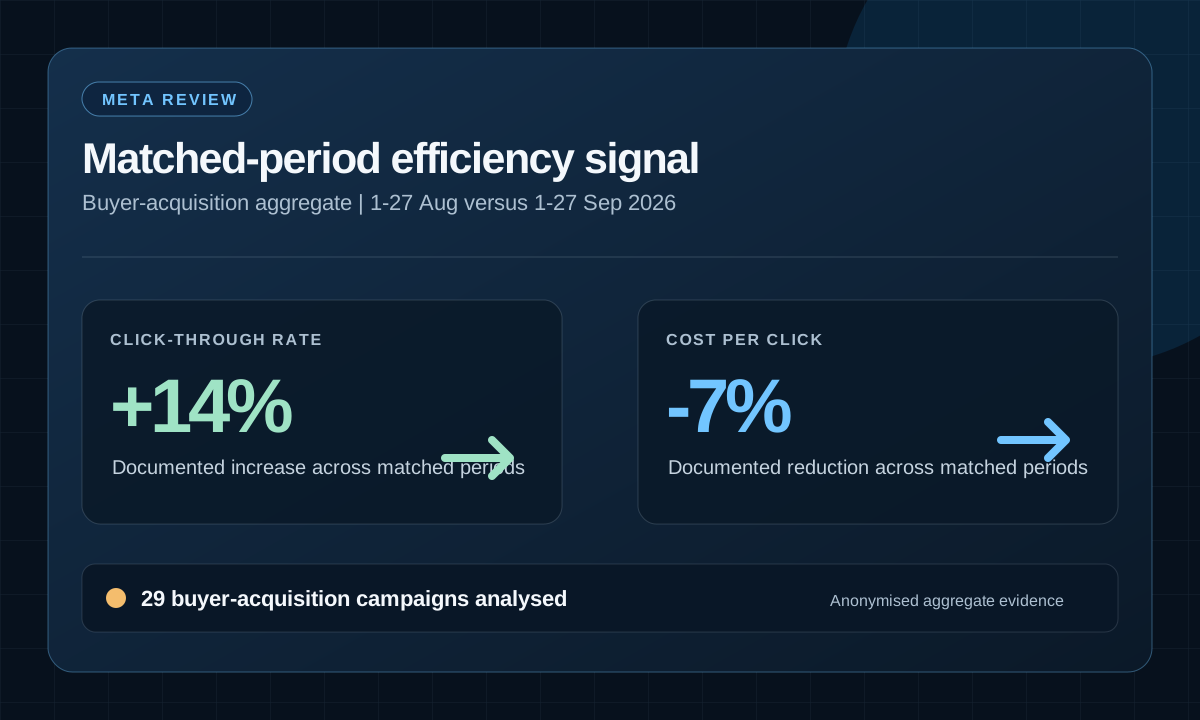
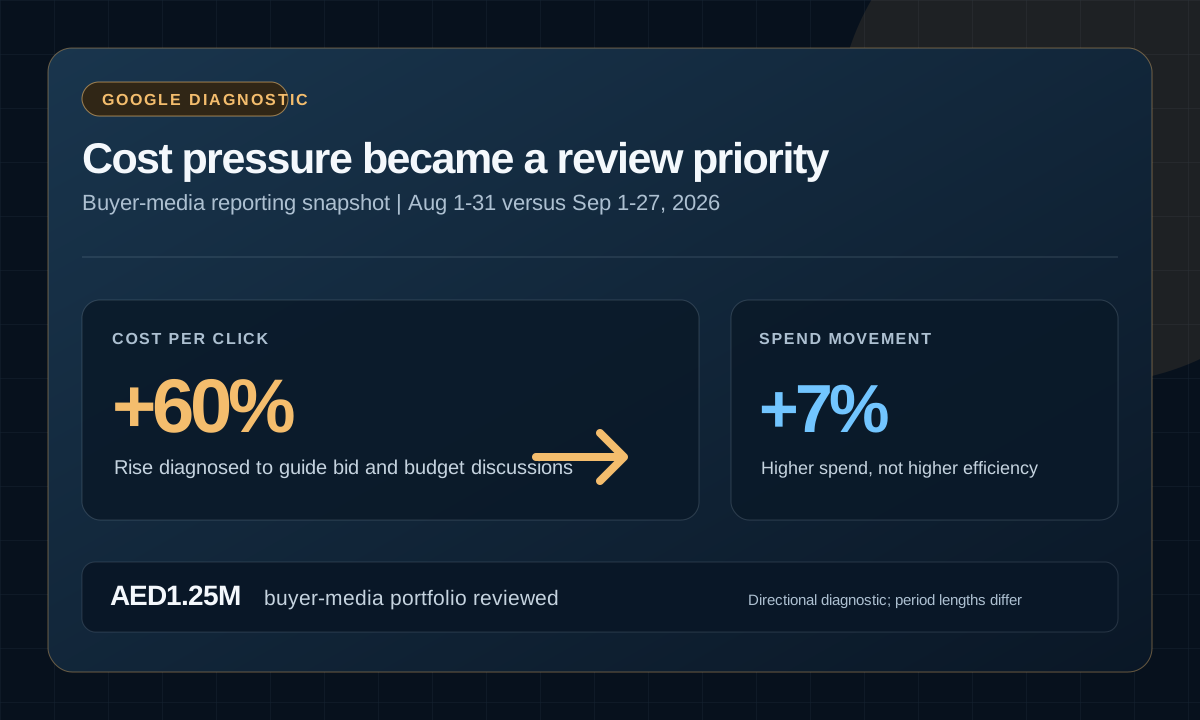
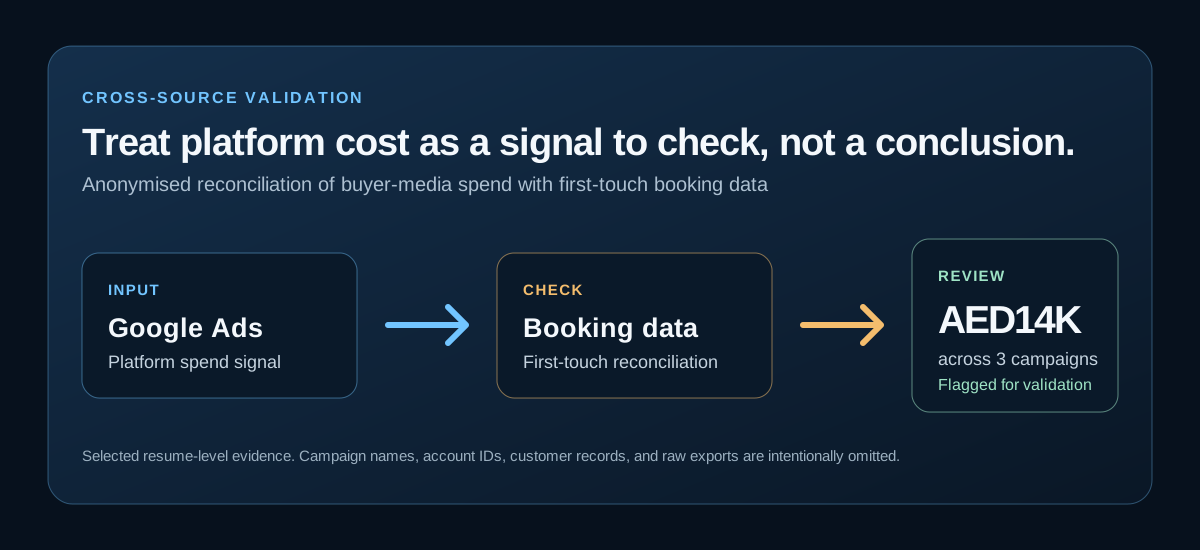
Selected anonymised, resume-level performance summaries; confidential account identifiers, raw exports, campaign names, and customer data are intentionally omitted.
The decision support
Separate an optimisation signal from an attribution conclusion.
Confidentiality note
This case uses selected, anonymised resume-level summaries only. Raw account structure, campaign data, customer data, platform exports, and unpublished work are intentionally omitted.